


The day after a major holiday meal, Thanksgiving, Christmas, or any big family feast comes with a distinct, quiet stillness. The kitchen, full of the echoes of celebration and the scent of last night’s culinary efforts, has a story to tell. You’re full, happy, and you invested significant time, money, and energy into that meal. The crucial next steps are often overlooked. The holiday itself gets the spotlight, but the aftermath is where you either protect that investment or slowly let it waste away.
Here are three simple, yet often ignored, practices that will silently elevate every future holiday you cook.
1. Respect Your Tools: The Proper Care of Cutting Boards
During a holiday cook, your cutting boards are kitchen workhorses. They handle everything from raw protein juices to aggressive chopping. Yet, most home cooks give them nothing more than a quick rinse, a swipe with a dishcloth, and a spot on the drying rack. If your boards are wood, they are investments, not disposables. To keep them healthy and safe, give them a dedicated ten minutes once the rush is over:
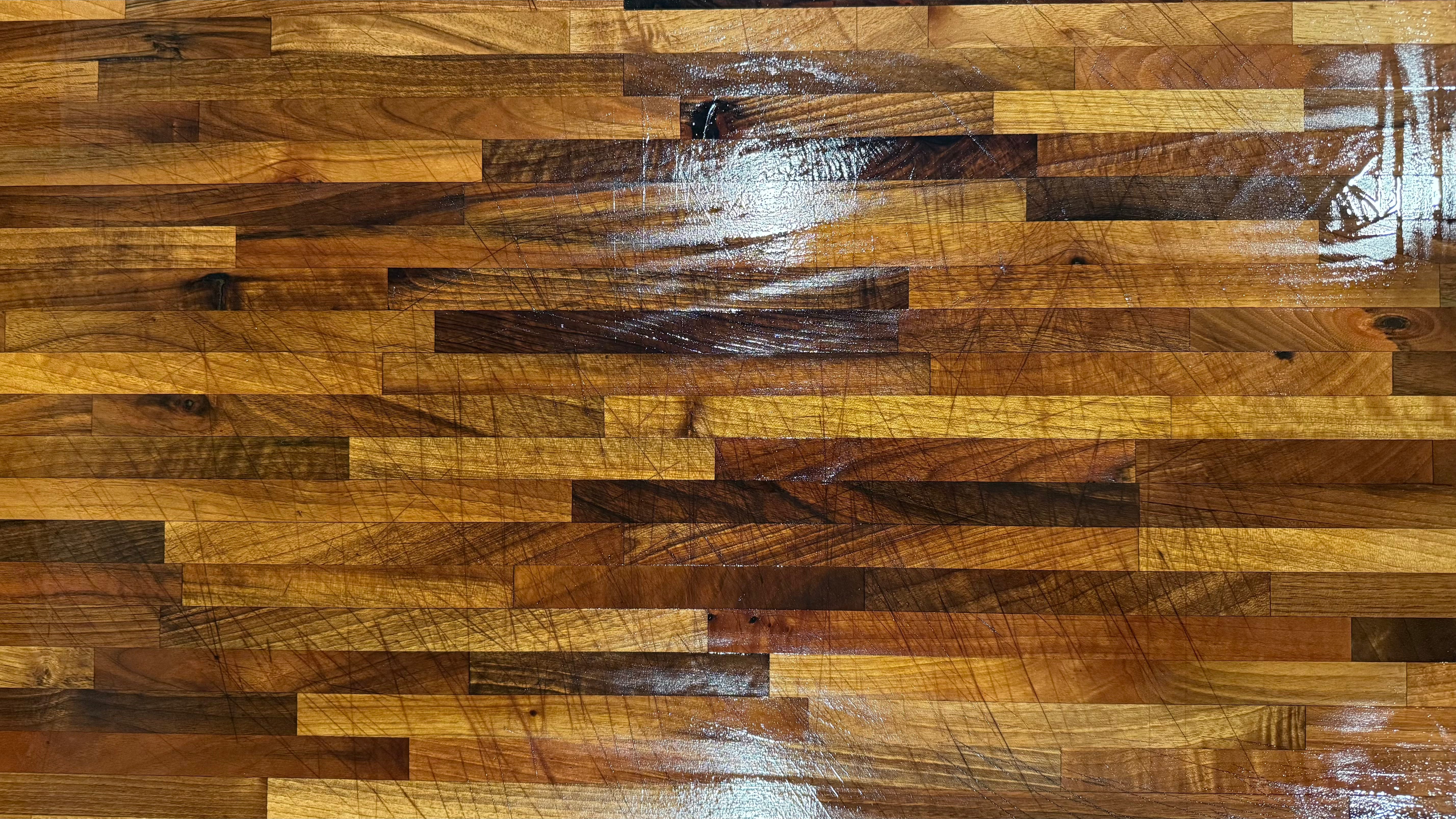
Scrape and Wash Quickly: Use a bench scraper to remove stuck-on bits. Wash the board immediately with mild soap and warm water, working fast to avoid soaking the wood, which can cause warping.
Dry Completely: This is the critical step. Pat the board absolutely dry with a clean towel. Residual moisture is the enemy, inviting warps and unwanted odors.
Nourish the Wood: Once dry, apply a food-safe mineral oil or board cream, working it into the grain with a soft cloth. The wood should drink the oil, transforming from dull and “thirsty” to a deep, rich satin. Oil both sides, let it absorb, and buff off any excess.
This small ritual preserves the board’s integrity, keeps your knives working efficiently, and ensures you’re always using a clean, well-cared-for tool.
2. Stop Buying Flavor Twice: Save Your Bones
The day after a holiday, you are sitting on a goldmine: the flavor base for phenomenal winter cooking. Yet, most people head to the grocery store to buy cartons of stock or canned broth. You already paid for that flavor when you bought and cooked the meat. Turkey carcasses, ham bones, and beef rib bones are not scraps; they are raw material. If you smoked or grilled your holiday proteins, their value is exponentially higher.
Make the Move:
Carve and Cool: After the meat is carved, strip off any usable pieces. Allow the bones to cool completely, spreading them out on a sheet pan to prevent steaming.
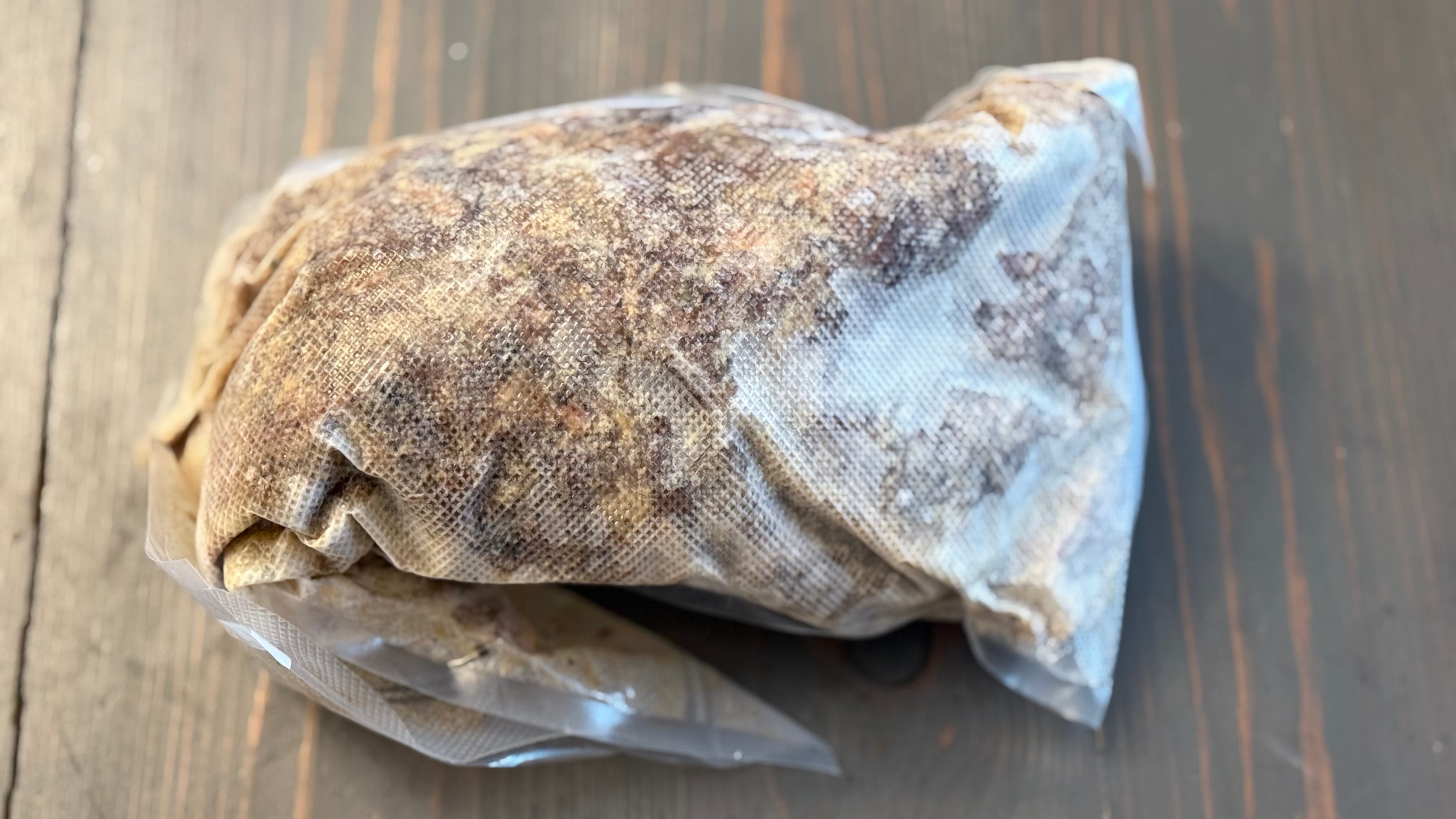
Portion and Seal: Group the bones with your future cooking plans in mind a turkey carcass for stock, a ham bone for beans, or rib bones for chili broth.
Label and Freeze: Vacuum seal each portion, clearly labeling the protein and the date. Move them immediately to the deep freezer.
Months from now, you’ll bypass the high-priced store-bought stock for a smoky, rich, and deeply seasoned foundation for soups, stews, and braises flavor you already owned.
3. Be Honest About Leftover Shelf Life
The emotional barrier is the hardest part of post-holiday cleanup. You intentionally cooked an abundance, and throwing food away feels like failure. This feeling is why half-forgotten containers linger in the back of a busy holiday fridge, silently counting down their days.
The Reality Check:
If your leftovers were not vacuum sealed, clearly labeled, and moved to the deep freezer within 24 to 36 hours of cooking, they are on borrowed time. A holiday fridge is subject to constant temperature fluctuations that compromise food safety and quality. Once that clock runs out, you have a choice: hang on to that questionable stuffing until it develops a “mystery sheen,” or accept the reset. The former risks foodborne illness; the latter is simply good kitchen management.
Reframing the Waste:
If disposal feels wasteful, reframe it as homework for next time. Build a system that respects the food from the moment it’s packed:
Keep a roll of masking tape and a marker handy.
Clearly label the contents and date as you pack.
Decide immediately: what is worth turning into a high-quality, “heat-and-eat” meal in January, and what has passed its peak?
Your future self will thank you for safe, delicious leftovers and absolutely resent a questionable container of mystery food hiding behind the milk carton on day six.
The Quiet Ritual
The holiday meal is loud and energetic. The aftermath is quiet and introspective. Oiling your boards, freezing your bones, and knowing when to let go of leftovers are unglamorous tasks that won’t make the highlight reel. But they are the work that stretches your culinary effort far past a single meal. They ensure your kitchen remains a safe, respectable, and efficient space.
The holiday meal doesn’t end when the dishes are put away. It ends when you have taken care of what is left behind. That is where better seasons of cooking begin.