


Every Labor Day weekend, backyards fill with the familiar aroma of sizzling meat and burning charcoal. It is the official send-off to summer, and everyone wants to get behind the grill.
Yet for many, grilling quickly transforms from a relaxing pastime into a chaotic battle against unexpected flare-ups, charred exteriors, and undercooked centers. The root cause of this frustration is rarely the quality of the meat or the choice of rub; it is how the fire is managed. The standard mistake is spreading coals evenly across the bottom of the grill, creating an all-or-nothing wall of intense heat that leaves zero room for error.
Fortunately, elevating your outdoor cooking requires no fancy gadgets, wireless gauges, Bluetooth anything, or culinary degrees- just a fundamental shift in how you arrange your fire. By mastering the essential concept of two-zone grilling, you can take total control of the cook and deliver perfectly executed results every single time.
How to Set Up a Two-Zone Cooking System
Creating a two-zone setup is as simple as the name suggests. If you are using charcoal, bank all of your lit coals onto one half of the grill, leaving the opposite side completely empty. If you are using gas, turn the burners on one side to high while leaving the other burners off entirely.
This divide establishes two distinct environments under one lid:
• The Direct Heat Zone (Hot Side): Positioned directly over the heat source, this high-temperature zone is designed for fast cooking, deep searing, creating appetizing grill marks, and developing a flavorful crust.
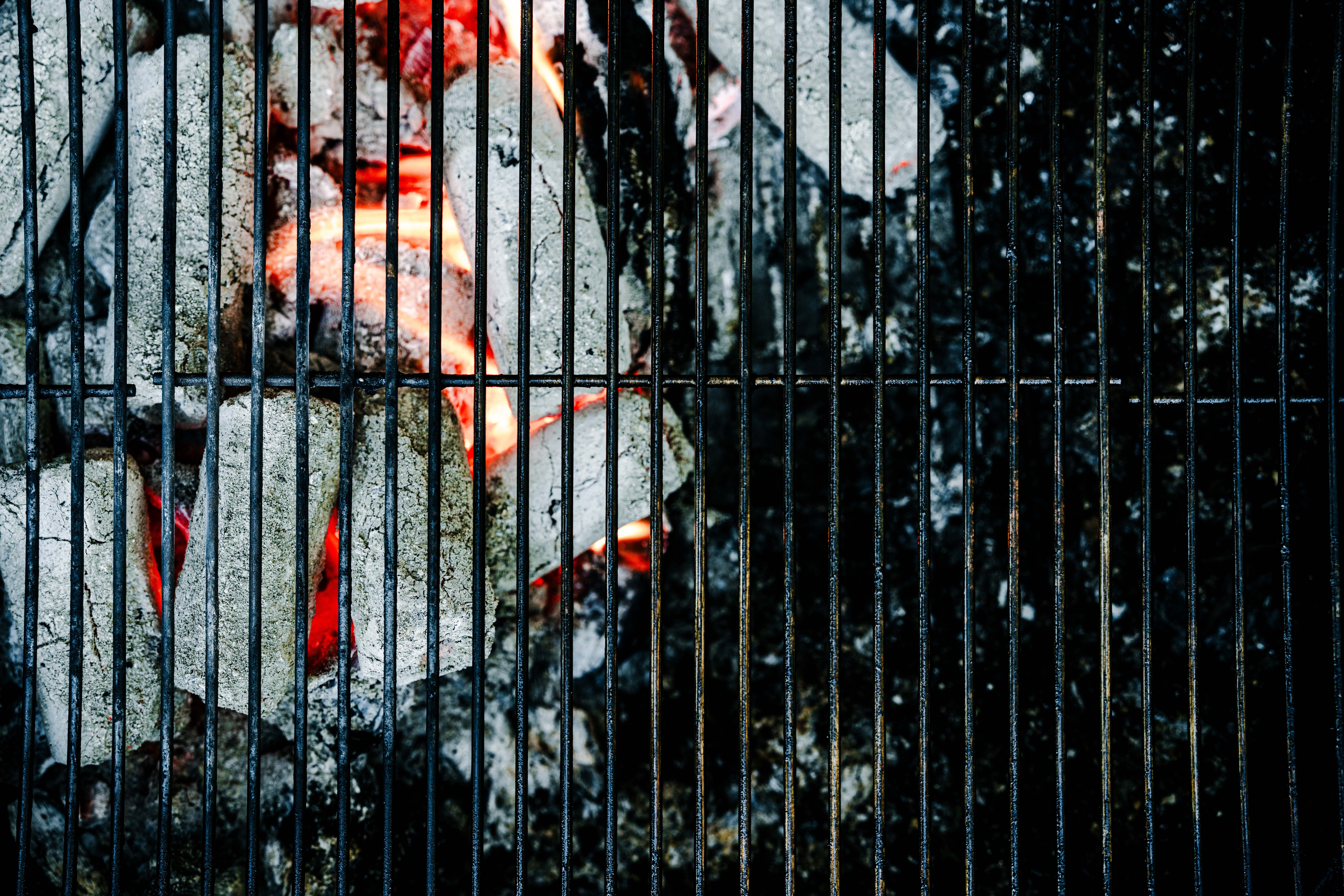
• The Indirect Heat Zone (Cool Side): Sitting over the unlit section, this area acts like a convection oven. Ambient heat circulates around the food, allowing it to cook gently and evenly without scorching.
Having both options at your disposal expands your grill from a single blast furnace into a versatile, multi-temperature cooking station.
Searing Perfect Burgers with Direct Heat
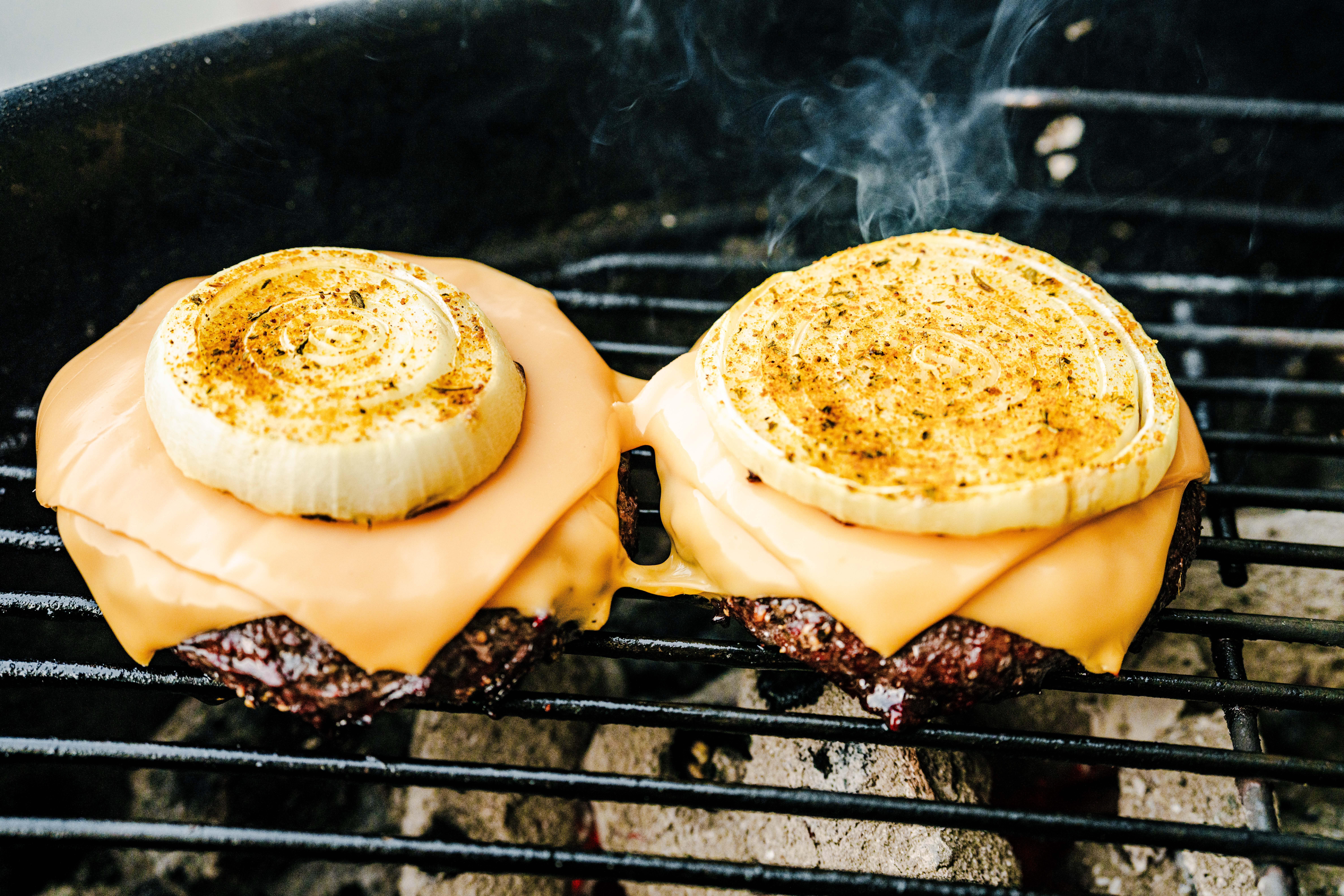
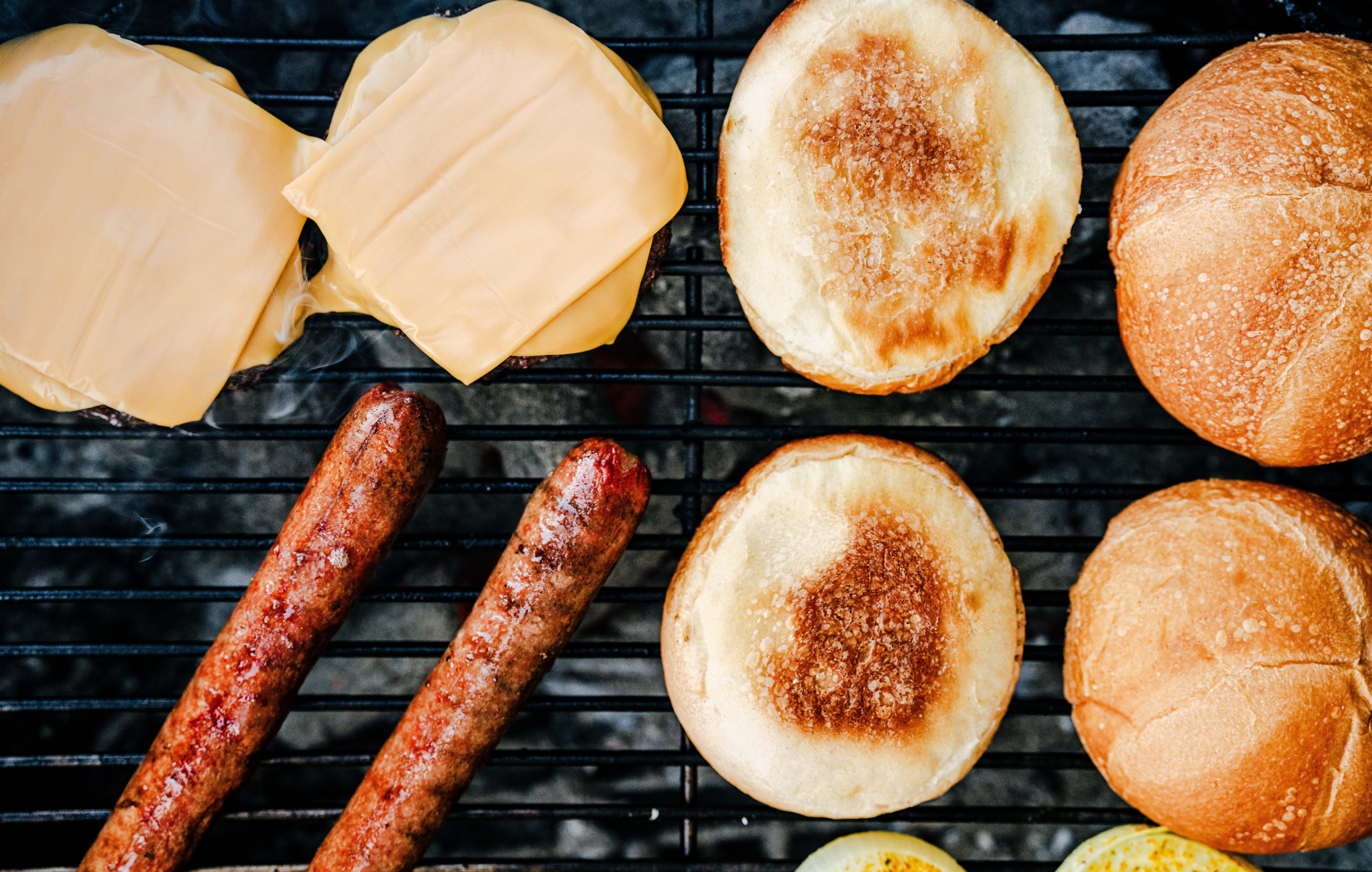
Burgers thrive on high heat. To get that iconic steakhouse-style crust while keeping the interior juicy, place your patties directly over the hot zone. Resist the urge to press down on the patties with your spatula; flattening the meat merely squeezes flavorful juices into the coals, triggering flare-ups. Which is what we are trying to avoid.
For thicker patties, use the indirect zone as your safety net. If the exterior reaches a rich mahogany finish before the center hits your desired doneness, slide the burgers to the cooler side, close the lid, and let them gently finish cooking.
Cooking Chicken Thoroughly via Indirect Heat
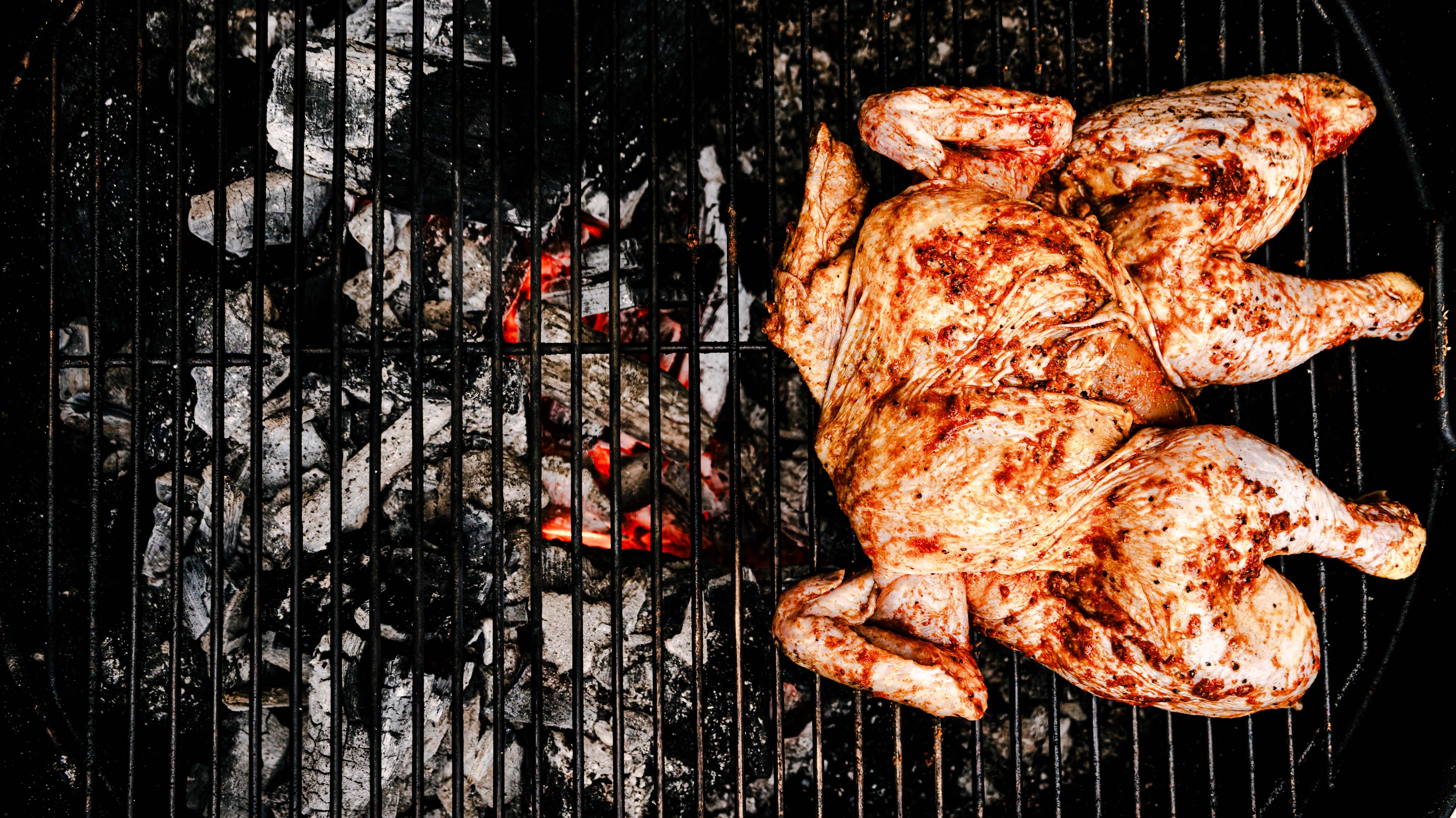
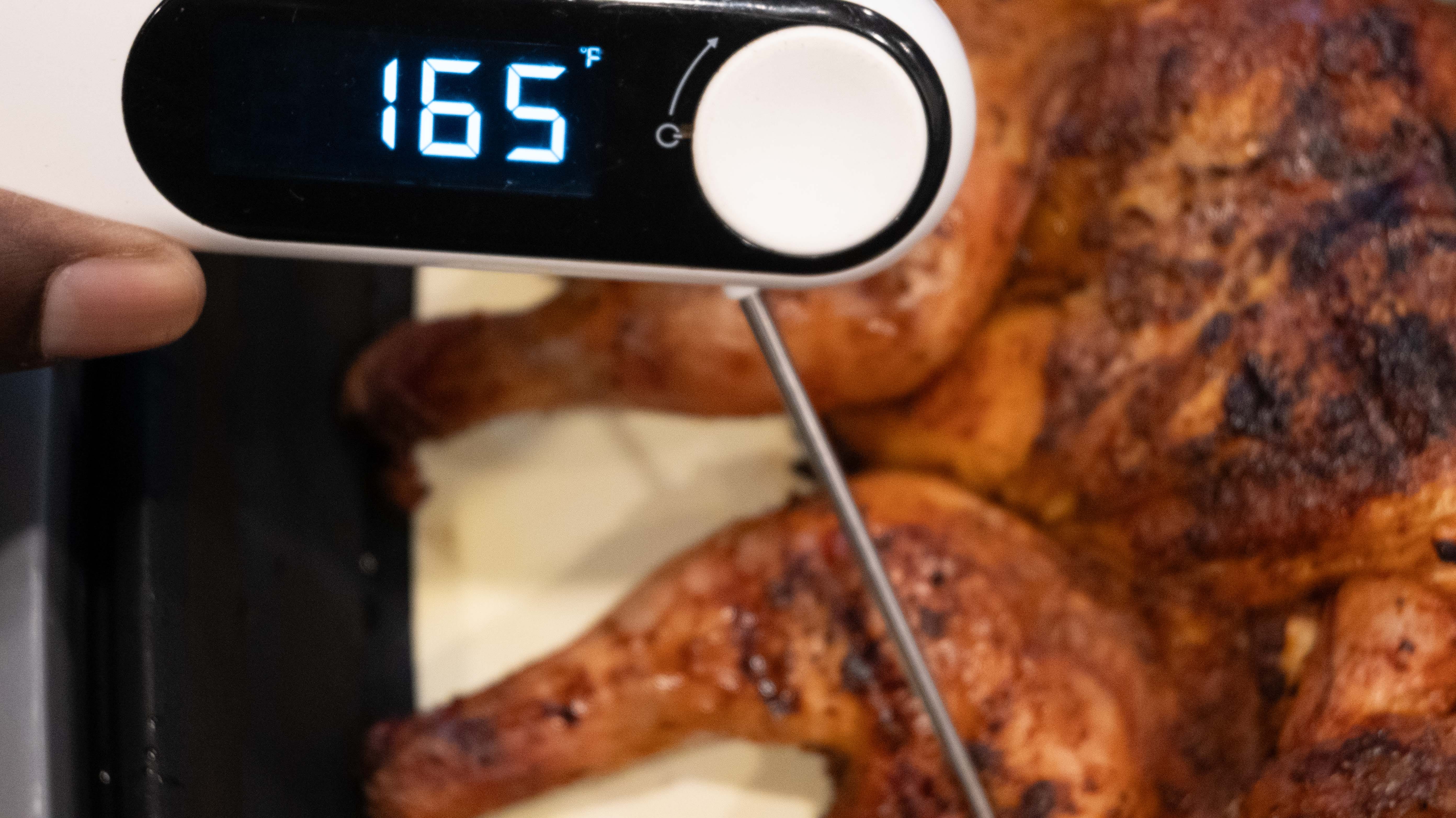
Chicken, especially bone-in cuts like thighs and drumsticks, demands patience and gentle heat. Placing raw chicken over direct flames usually burns the skin long before the meat near the bone is safe to eat. Start your chicken on the indirect side of the grill. With the lid closed, convective heat cooks the meat evenly throughout without flare-ups from dripping fat. Once the internal temperature approaches 155°F, transfer the chicken to the hot zone for a brief 2- to 3-minute sear to crisp the skin and add color. Always verify doneness with a digital meat thermometer inserted into the thickest part of the meat without touching bone, targeting a final internal temperature of 165°F.
Flawless Steaks Using the Reverse-Sear Method
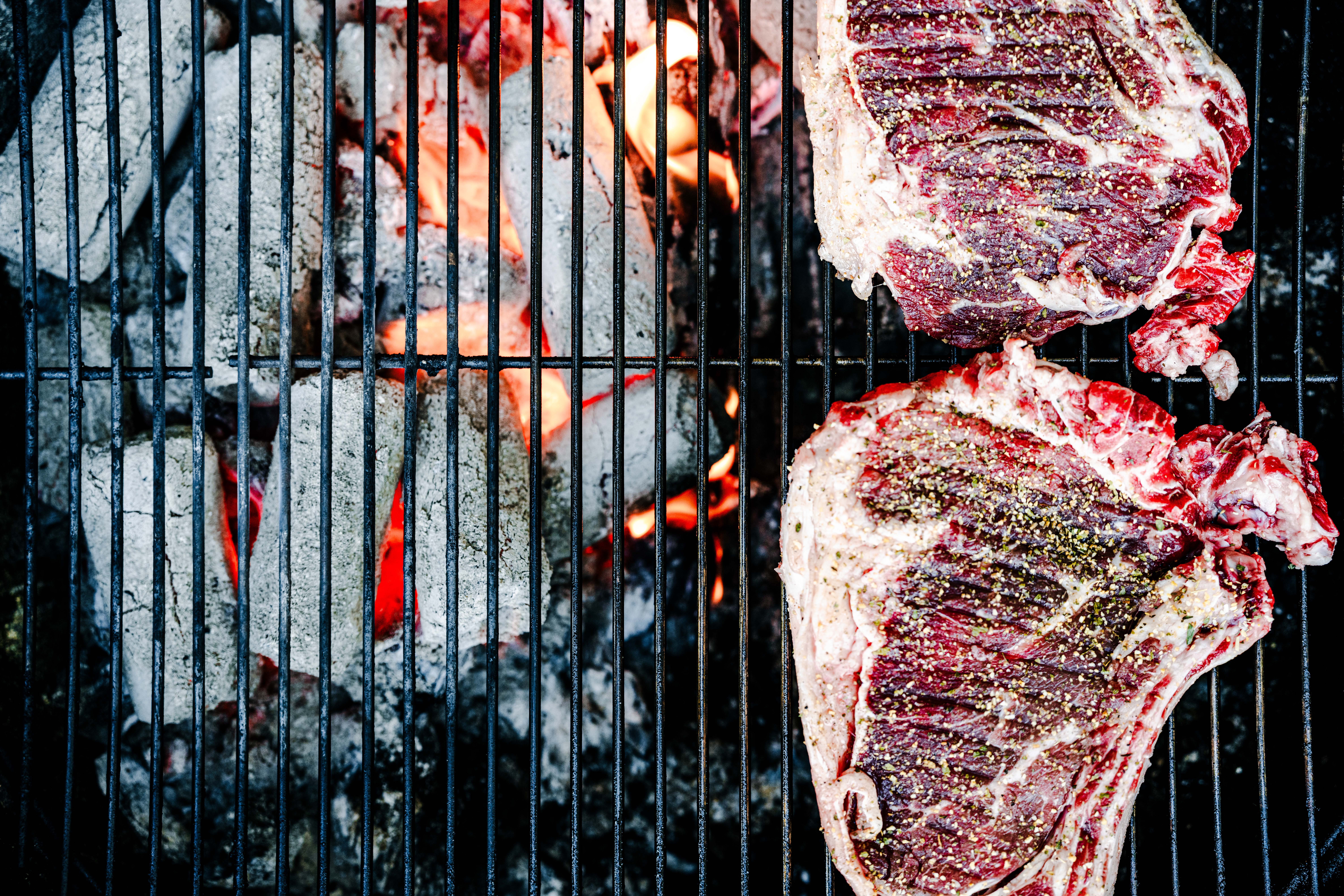
While thin cuts cook quickly over direct heat, thick-cut steaks benefit tremendously from leveraging both zones using a technique known as the reverse sear. Begin by placing the steak on the indirect side to slowly increase its internal temperature. This low-and-slow process cooks the interior evenly from edge to edge, avoiding the unsightly grey band of overcooked meat. When the steak is about 10°F below your desired target temperature, move it off the heat completely. Let it rest for 5 minutes, then place it directly over the hot coals for a blazing-hot, 1-minute sear per side to build a crust before resting.
Active Fire Management: Taking Back Control
Great grilling requires active engagement. The beauty of the two-zone system is that it gives you complete command over the cooking environment. If grease drips and causes a sudden flare-up [which is a normal thing, don’t panic], simply move the meat to the indirect side until the flames subside; no water spray bottle needed. Spraying water can do more harm than good, as oil and water do not mix. If a piece of meat is cooking too fast on the outside, simply move it to the cool zone. If it needs a little extra color before serving, kiss it with direct heat.
Elevate Your Next Cookout
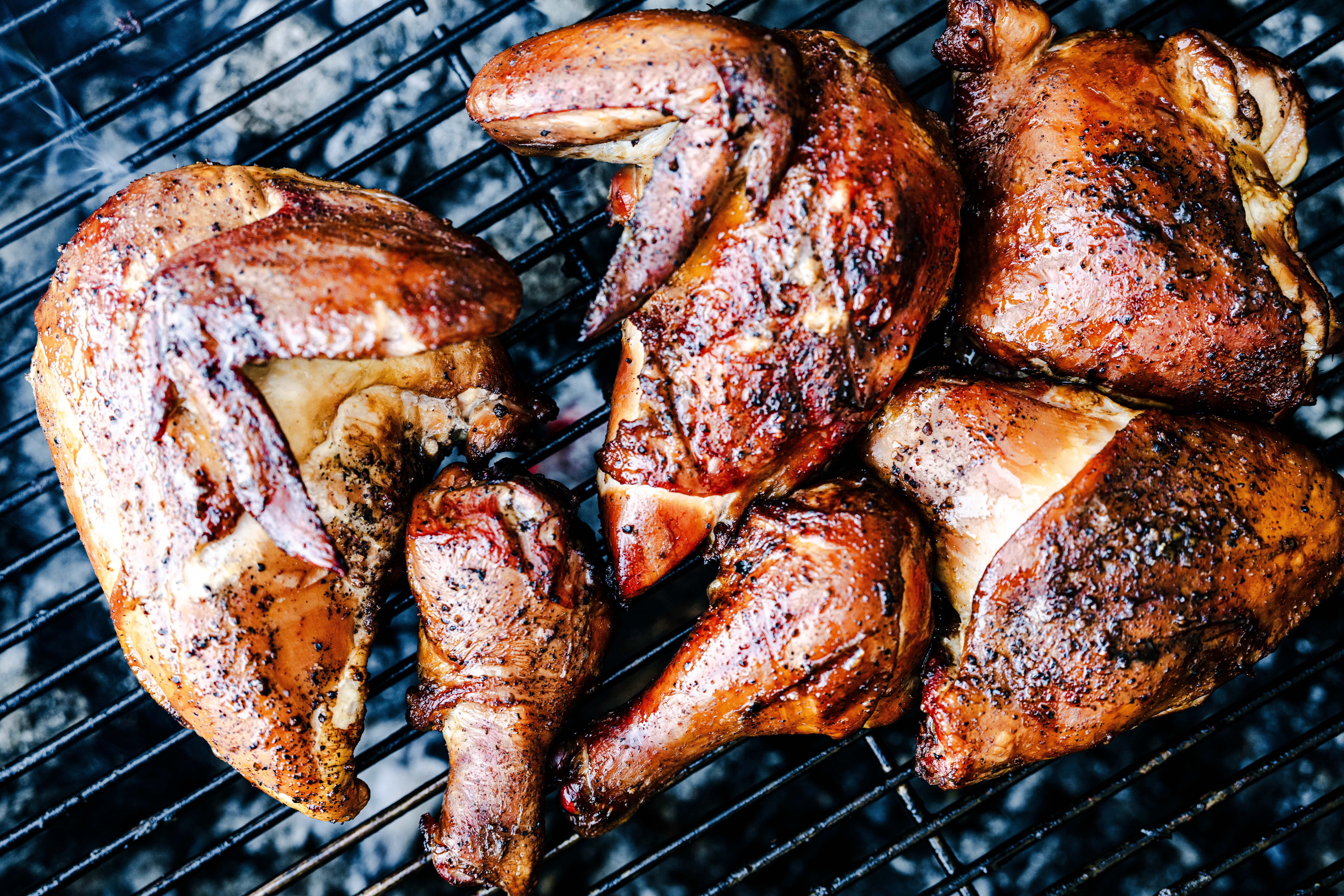
Grilling shouldn’t be stressful. By setting up a two-zone fire, you trade chaos and guesswork for precision and flexibility. Whether you are feeding a crowd with burgers, chicken, and steaks, or simply cooking a weeknight dinner, this single technique will instantly improve your food quality and make your time at the grill far more enjoyable.
What are you grilling this weekend?