


Two years ago, I came through West Palm Beach for SunFest and finally met Rick Mace in person after being internet acquaintances for a while. We even sat down for a quick podcast interview. Ever since then, his Smoke and Sunshine barbecue event sat on my calendar like one of those “I’m going to make it happen” promises you keep pushing down the road because work keeps showing up first.
This year, the road finally opened. It was a quick run, in Friday and out Sunday, with Atlanta weather trying to do the most right as I was leaving and returning. I could have let that be the headline. Instead, the flight was smooth, and I landed in Florida feeling like I’d stepped into a different season of life.
I grabbed a quick Uber and headed straight to Tropical Smokehouse, where the event would be held. The warmth hit first, then the energy. Rick did not greet me like a host posing for a photo. He greeted me like a working pitmaster who just happened to be building something bigger than himself. He was outside assembling the courtyard setup, laying the foundation for what would eventually become an open-fire brick pit for Elliott Moss to cook chickens the traditional Carolina way.


Walking into the space for the first time felt like meeting an old friend’s family. I’d only been to the downtown location before, back when I couldn’t stop thinking about how good the food was and how much the bar made you want to stay longer than you planned. This location had its own rhythm. Rick’s crew welcomed me, gave me a tour, and immediately moved with intention, showing me where I’d prep, where I’d store, and what had already been handled so I could lock in and get to work. My bone-in pork loins were trimmed, pulled, and set aside in cold storage like they’d been waiting for me.
Then came the part of these events that always humbles me: the table.
Out front, the pitmaster roll call looked like a living archive of craft. John Bates was there, the talent behind a spot known for being the first Michelin-starred barbecue restaurant in Texas. Robert Lerma was there too, a man who, without exaggeration in my mind, has documented more of modern pitmaster culture than most people will ever see in a lifetime. There were other pros from across the country, each one carrying their own style, their own fire language, their own reason for showing up.
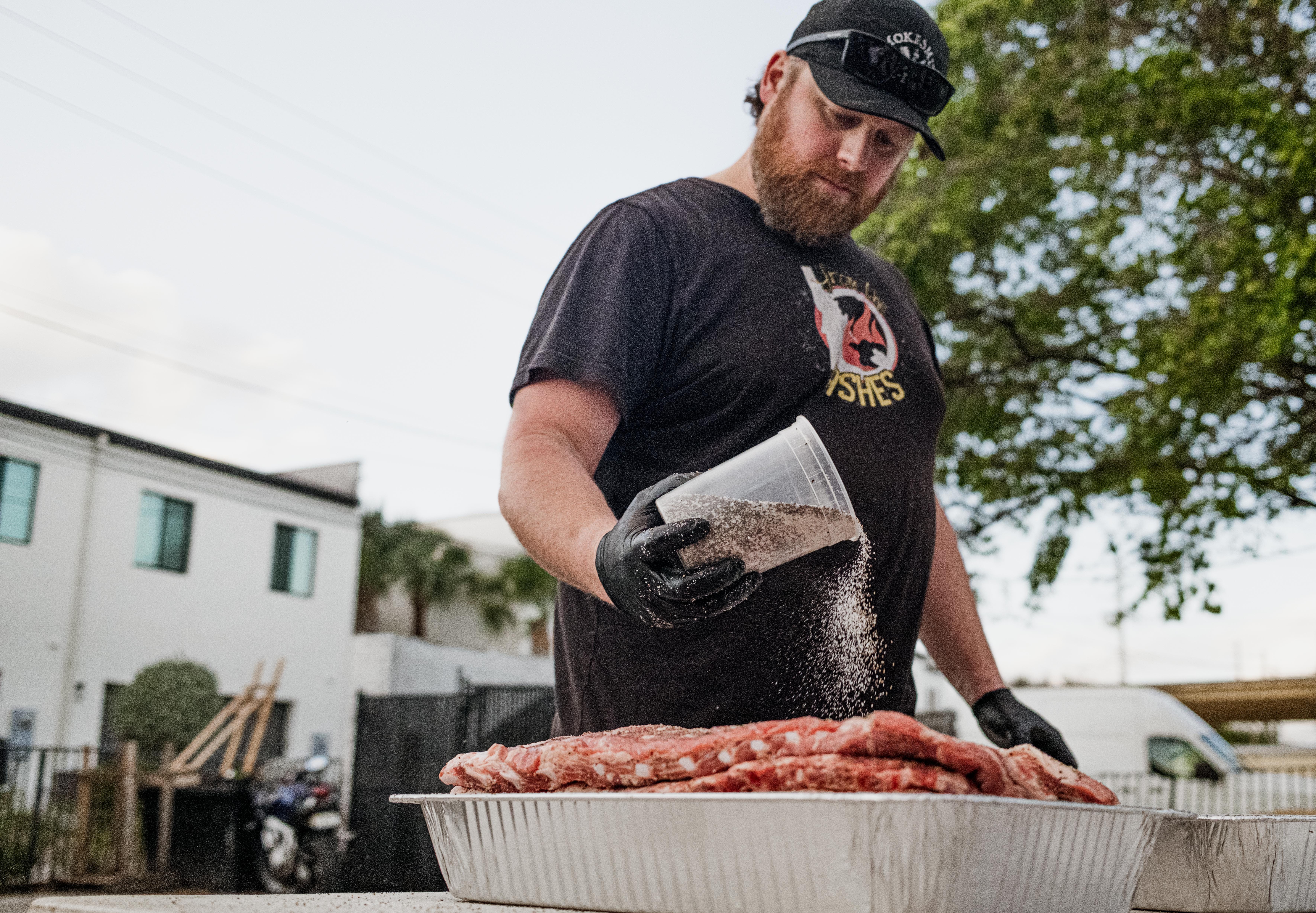
After saying hello, catching up, and eating something quick because travel days do not care about your schedule, I headed back to prep. My plan was simple and intentional: season the pork with my dry rub, then marinate it with my fresh homemade jerk sauce and let it sit overnight so the flavors could settle in like they belonged there.
As more chefs arrived and the kitchen filled with the quiet urgency that always comes before a big service, I rounded a corner and ran into Chef Picky alongside Chef Sho, building their own take on jerk chicken for the next day. That’s one of the things I love about these gatherings. Even when everyone’s known for something, nobody’s boxed in. Nobody’s trying to protect a lane. People are just cooking.
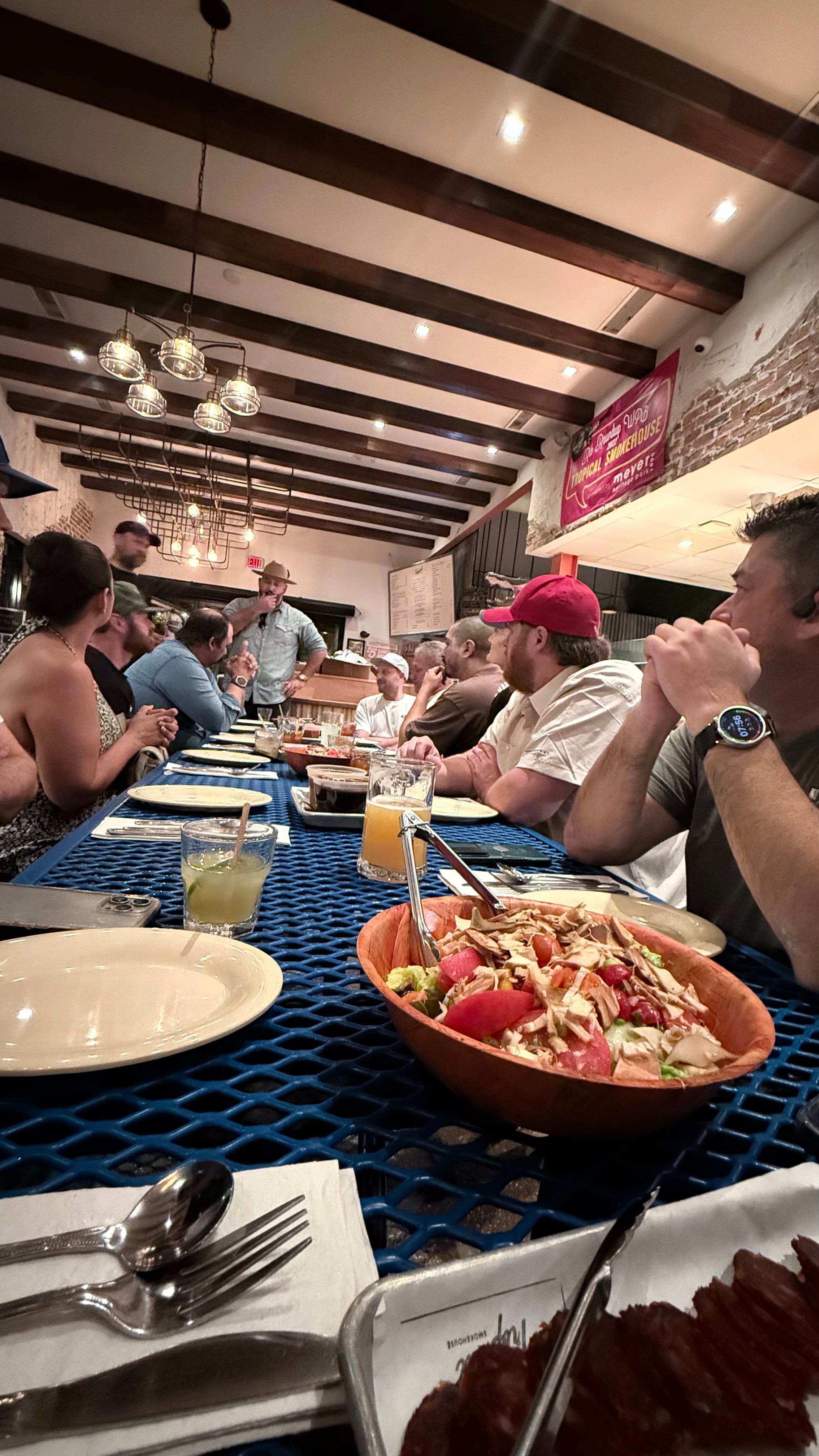
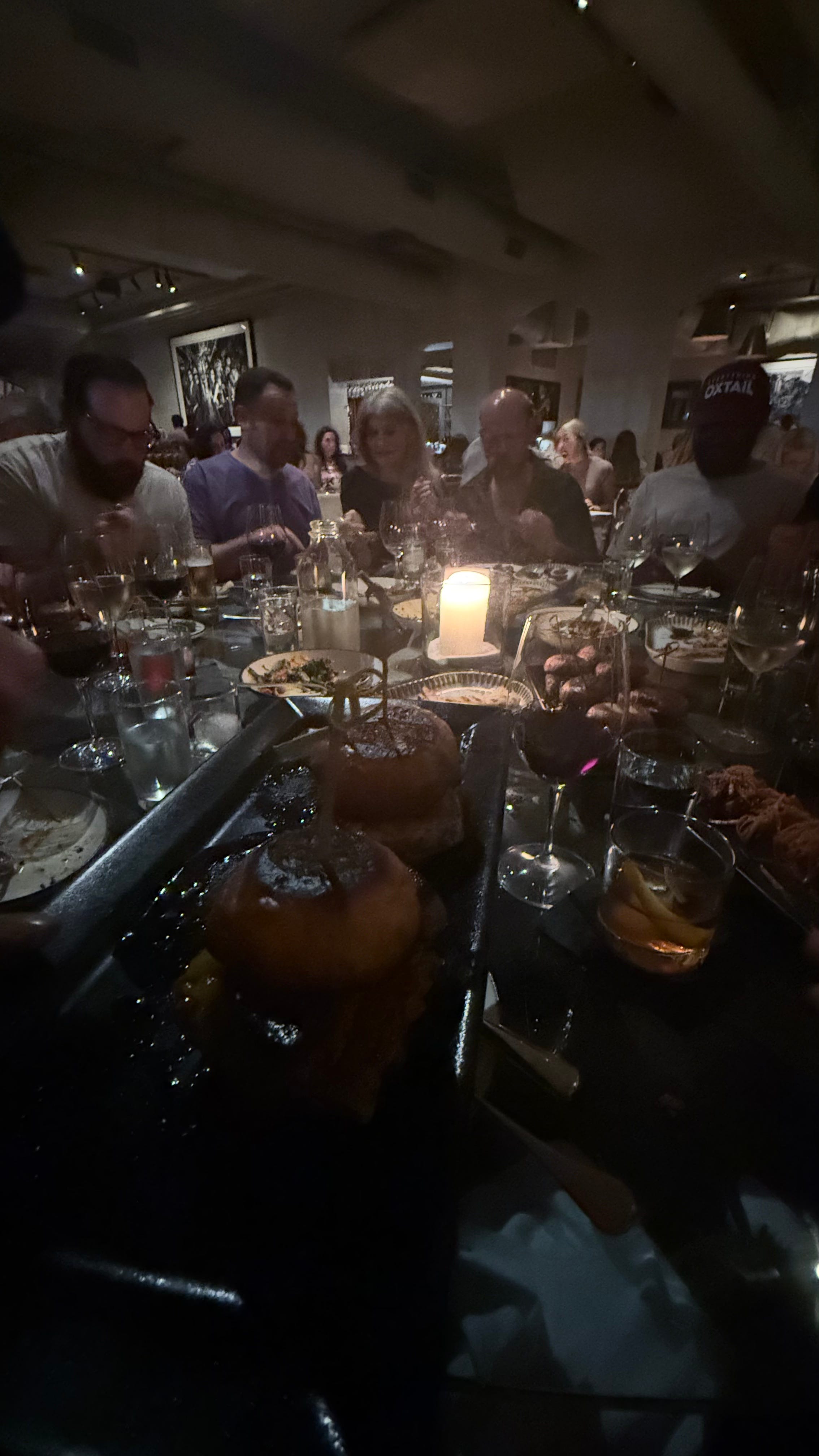
Later, Rick and his team pulled us together for family meal.
It does not matter if it’s a restaurant feeding guests all day or a crew of pitmasters flying in from all over the country. Family meal is still the great equalizer. It’s the reset button. It’s also a quiet reminder that the best food cultures are built behind the scenes, long before the public ever takes a bite.
We sat together while Rick and Robert thanked everyone for being part of the event and spoke on how it’s grown, how it’s created real good for the local community. The food on the table covered the classics, but the dish that keeps replaying in my mind even now is the collard greens. The kind that makes you pause mid-conversation because your mouth is trying to tell your brain something important.
After family meal, Ubers were called. Most people went to rest.
I went to the gym.
Not because motivation was high, but because discipline does not care how full your stomach is or how comfortable the bed looks. What surprised me was I wasn’t alone. Hector was there too, fresh off a James Beard nomination as an emerging chef. We’d cooked together before at Holy Smokes, but we hadn’t linked up since. Between sets, we talked about why we were putting wellness first. Yes, health matters. But there’s also a mental discipline that pairs perfectly with this craft. Fire asks you to be present. Training asks you to be present. Both punish sloppy thinking.
The next morning started early. I walked into the restaurant and the air had changed. Now it carried the aroma of smoke and meat, already cooking. I saw Chef Lamar Moore, who had arrived later the night before but was already there first thing, making sure proteins were on and pacing toward service. He’s one of those chefs who can move from a proper kitchen to a 1,000-gallon smoker and make the switch look effortless, like it’s all just heat management in different clothes.
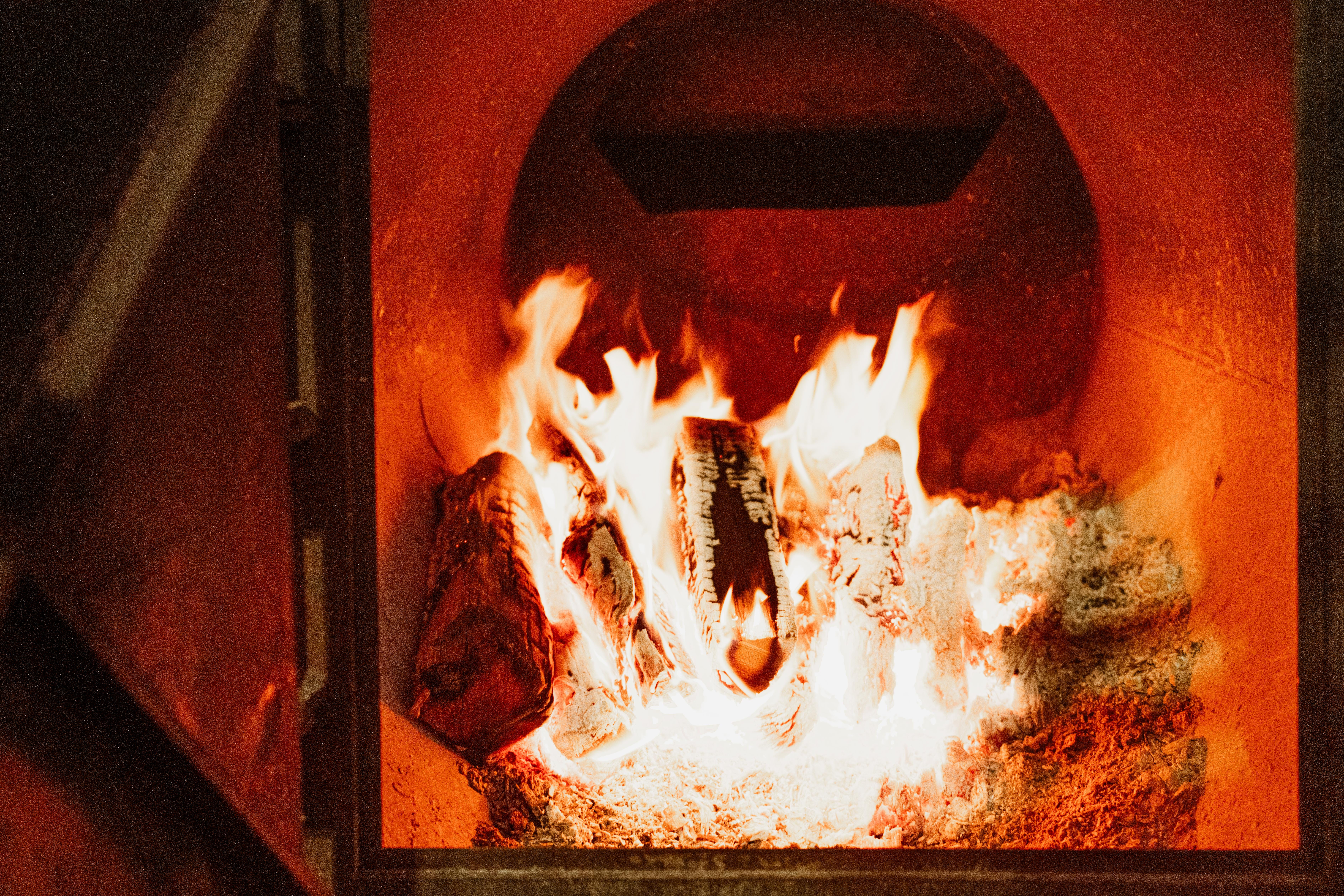
I set up my station and loaded my pork loins onto the smoker. The plan was a reverse-sear approach: let the pork soak up smoke for an hour and a half to two hours, pull and rest, then sear for service. Not complicated, just deliberate.
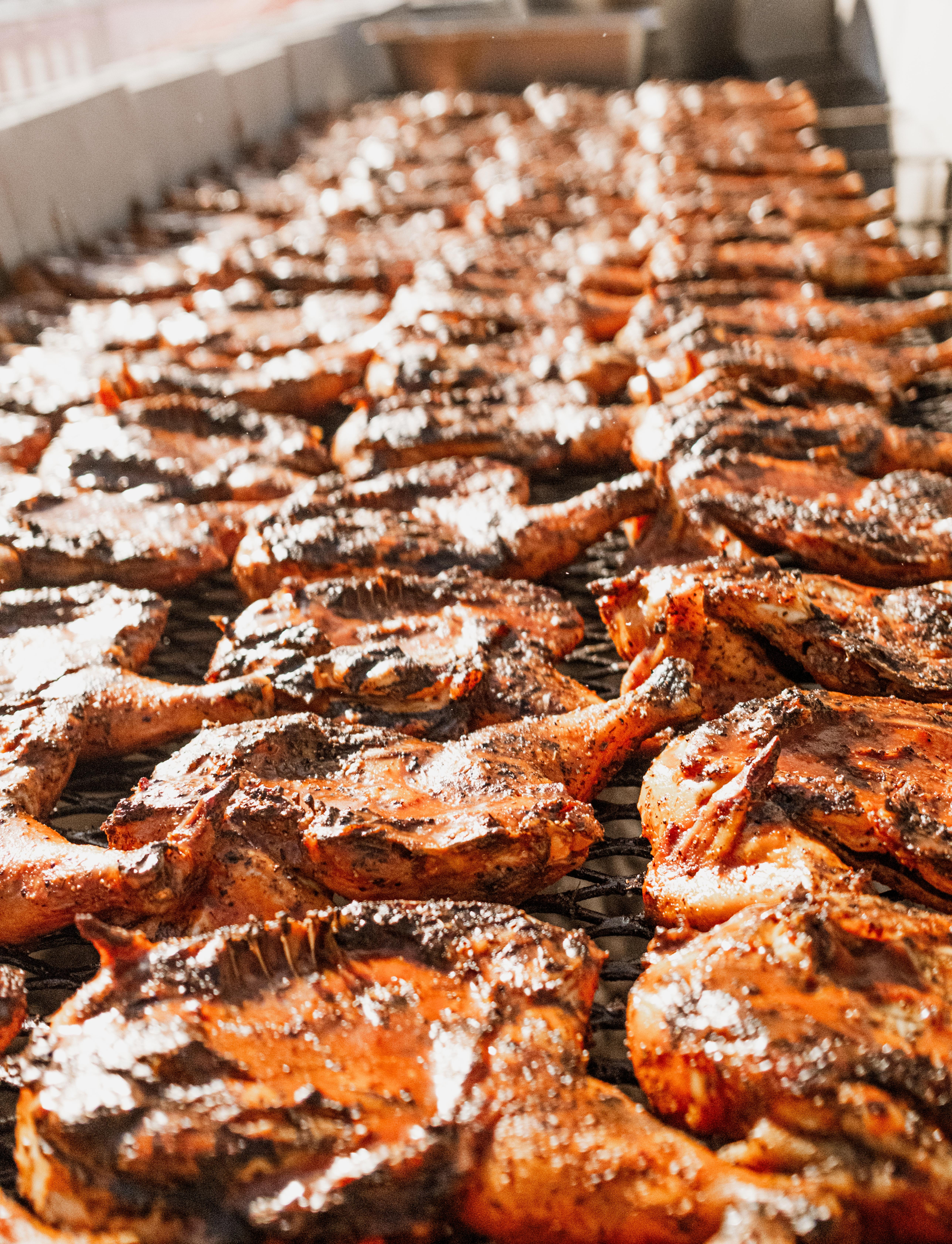
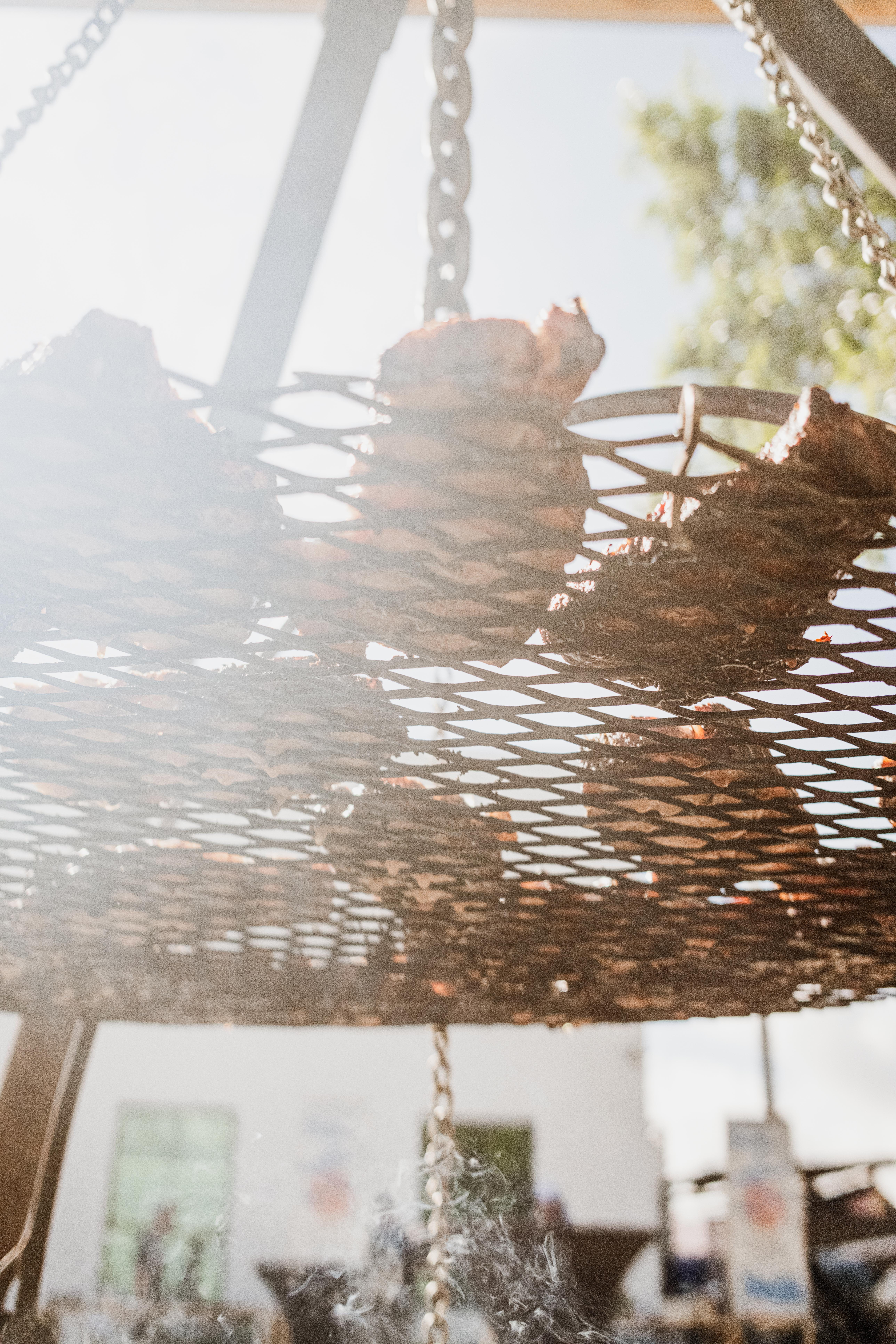
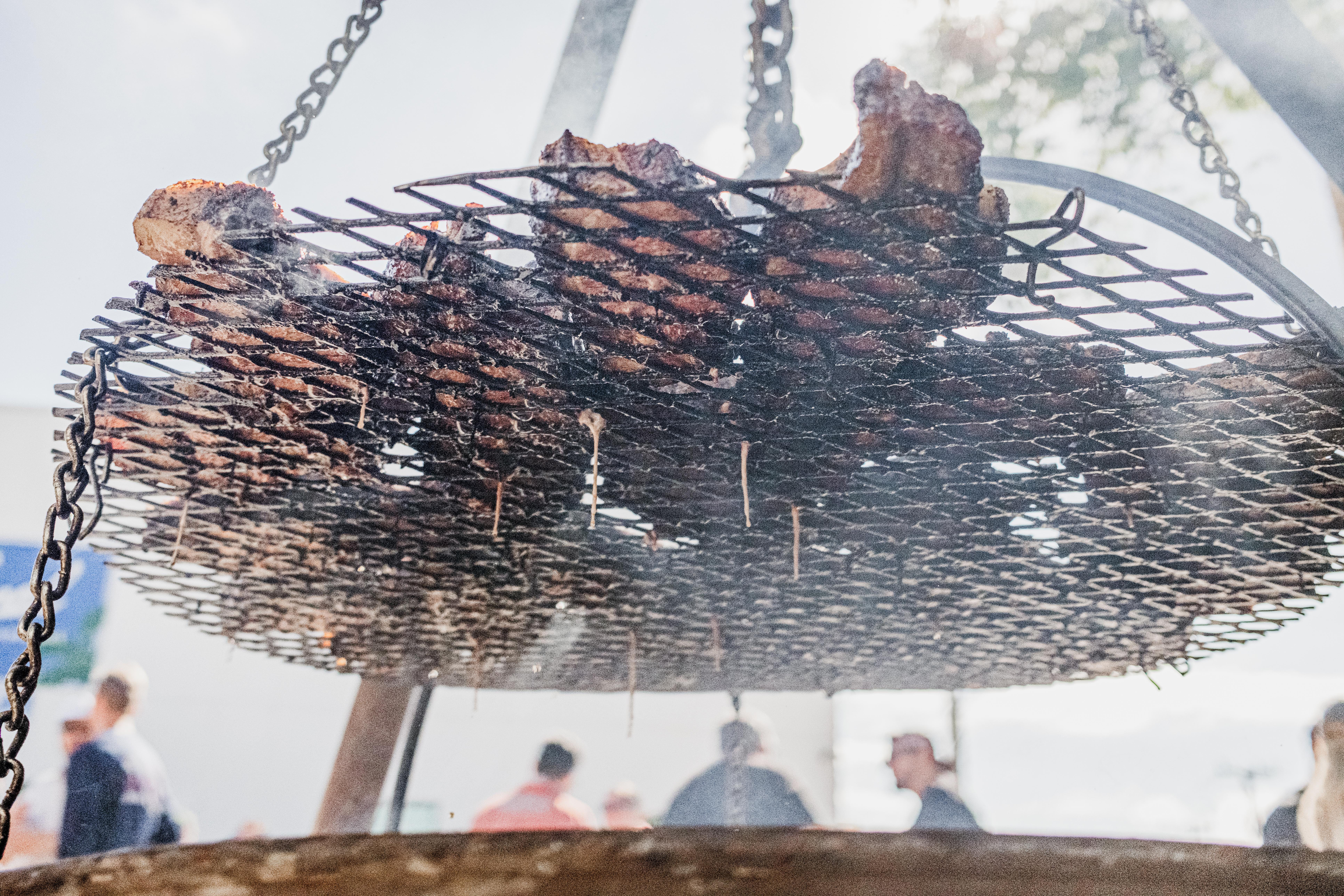
Out front, VIP guests were already lining up, getting that extra early entry hour, leaning along the fence watching the fire setups like a museum exhibit where everything is alive. A 12-foot brick pit loaded with chickens. A custom-built fire table that looked like a seesaw of flame. A double cauldron cowboy-fire apparatus set up between me and Evan, who was serving thick porterhouse steaks and tomahawks that looked like they belonged in a different category of celebration.
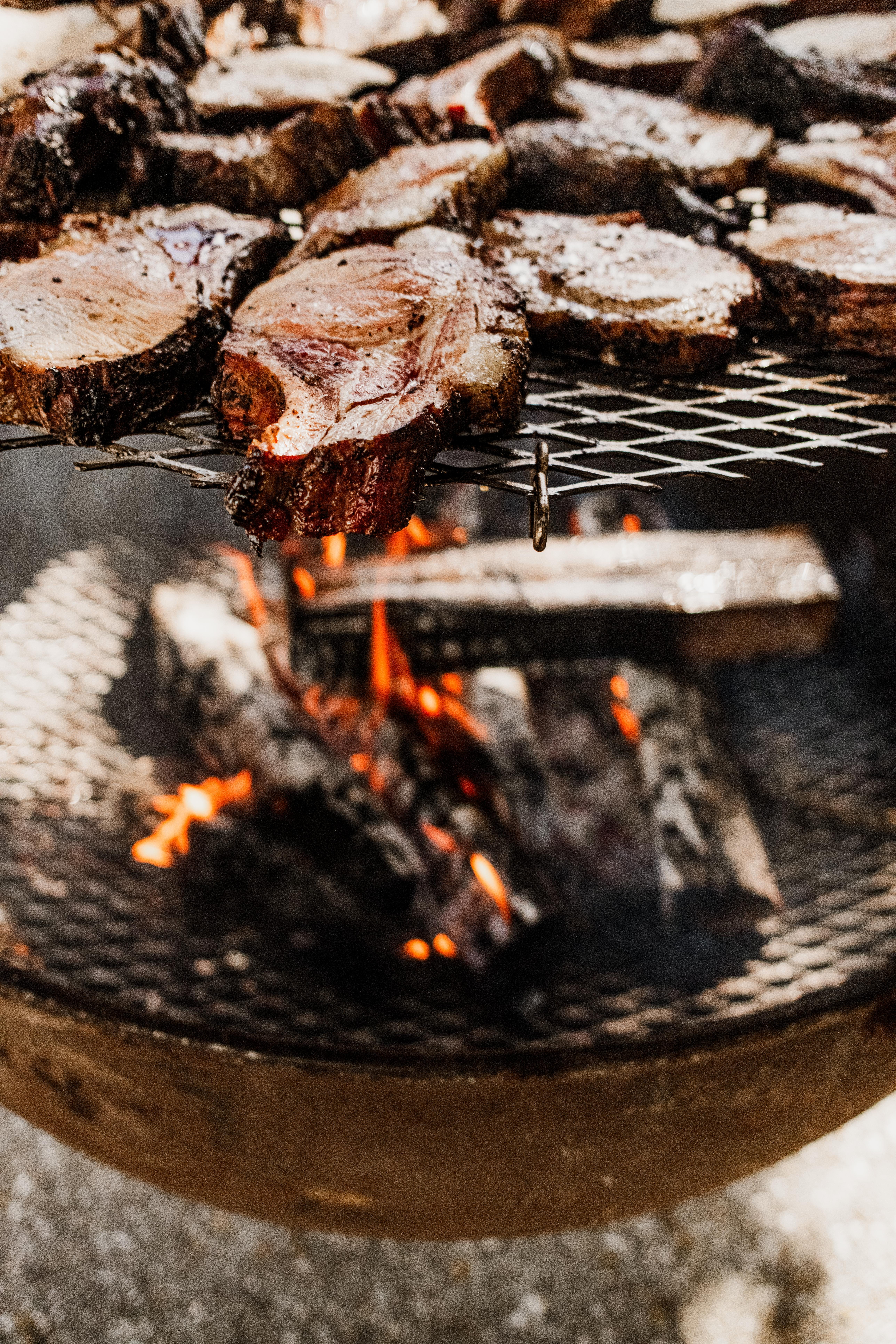
Right before service, I finished my glaze: my sauce blended with bourbon stock, brown sugar, and herbs and spices designed to complement the pork fat and tame the edge of the jerk heat without losing its attitude.
Then we took the group photo. Gates opened. The first wave of attendees rolled in like they’d been hungry all week, and maybe in a deeper way, they had.
Here’s what stood out most: how smooth it all was. No chaos. No craziness. Most importantly, no egos.
Just chefs and pitmasters working shoulder to shoulder, serving for a cause bigger than any one name. The event wasn’t just a party. It was a fundraiser and a spotlight, raising money and awareness to support mental illness and everything that touches. That weight was present, but it didn’t darken the day. It gave it meaning.
I’ve been invited to this event for years, and my schedule always conflicted. This time, I made the time. And leaving that weekend, I knew something had shifted. Not in a dramatic “new me” way, but in the way you quietly commit to showing up differently moving forward.
Because sometimes the most important part of the trip is not the food, even when the food is great.
Sometimes it’s the reminder that community still exists, alive and well, right there beside the fire.