


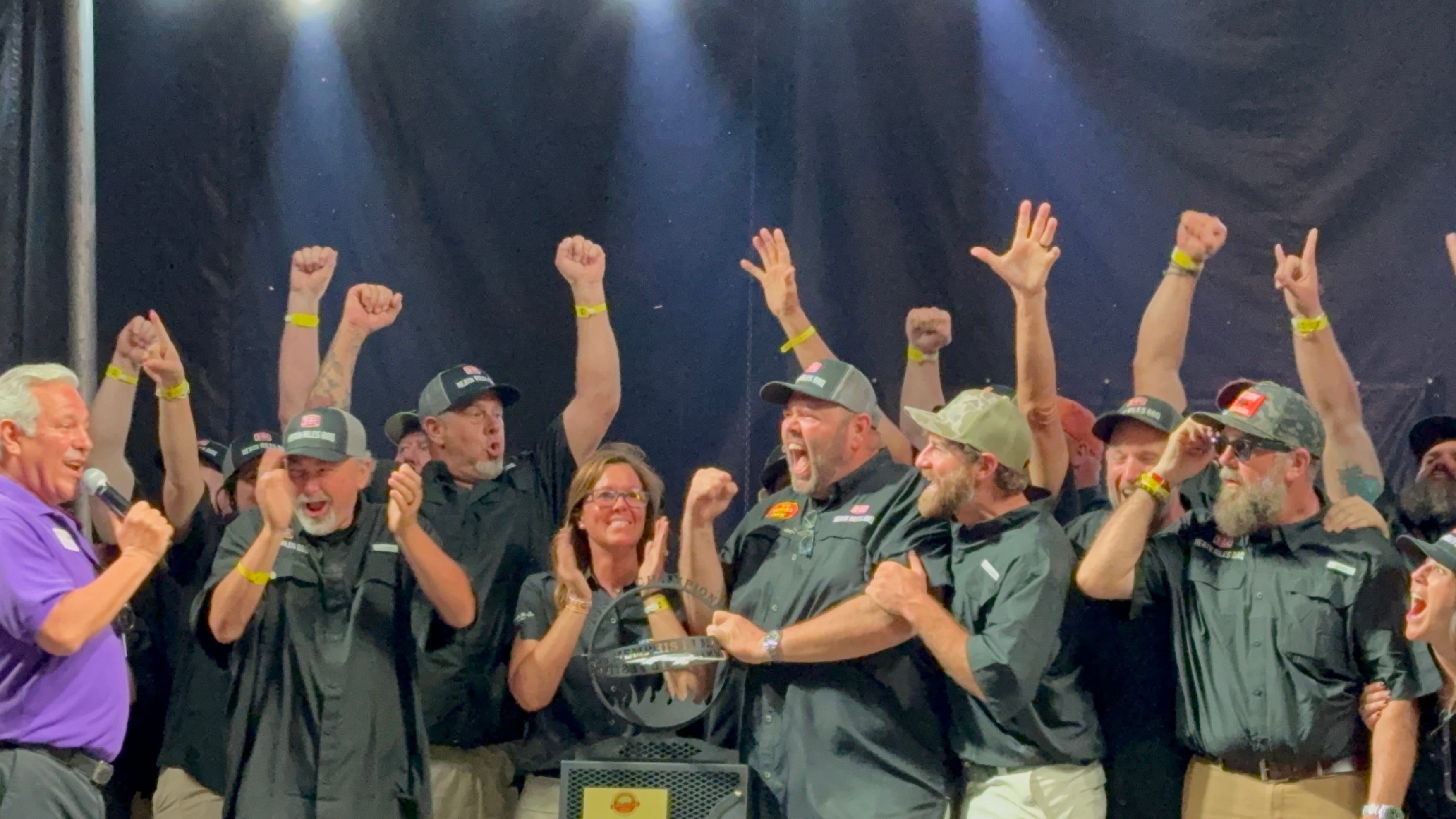
There is a dangerous thing that happens after you win. People expect you to change. They expect you to come back bigger, flashier, more complicated, and somehow more impressive than the version of yourself that already got the job done. That pressure exists in almost every competitive field. Sports. Business. Restaurants. Barbecue. The moment you win, folks start looking for the next trick.
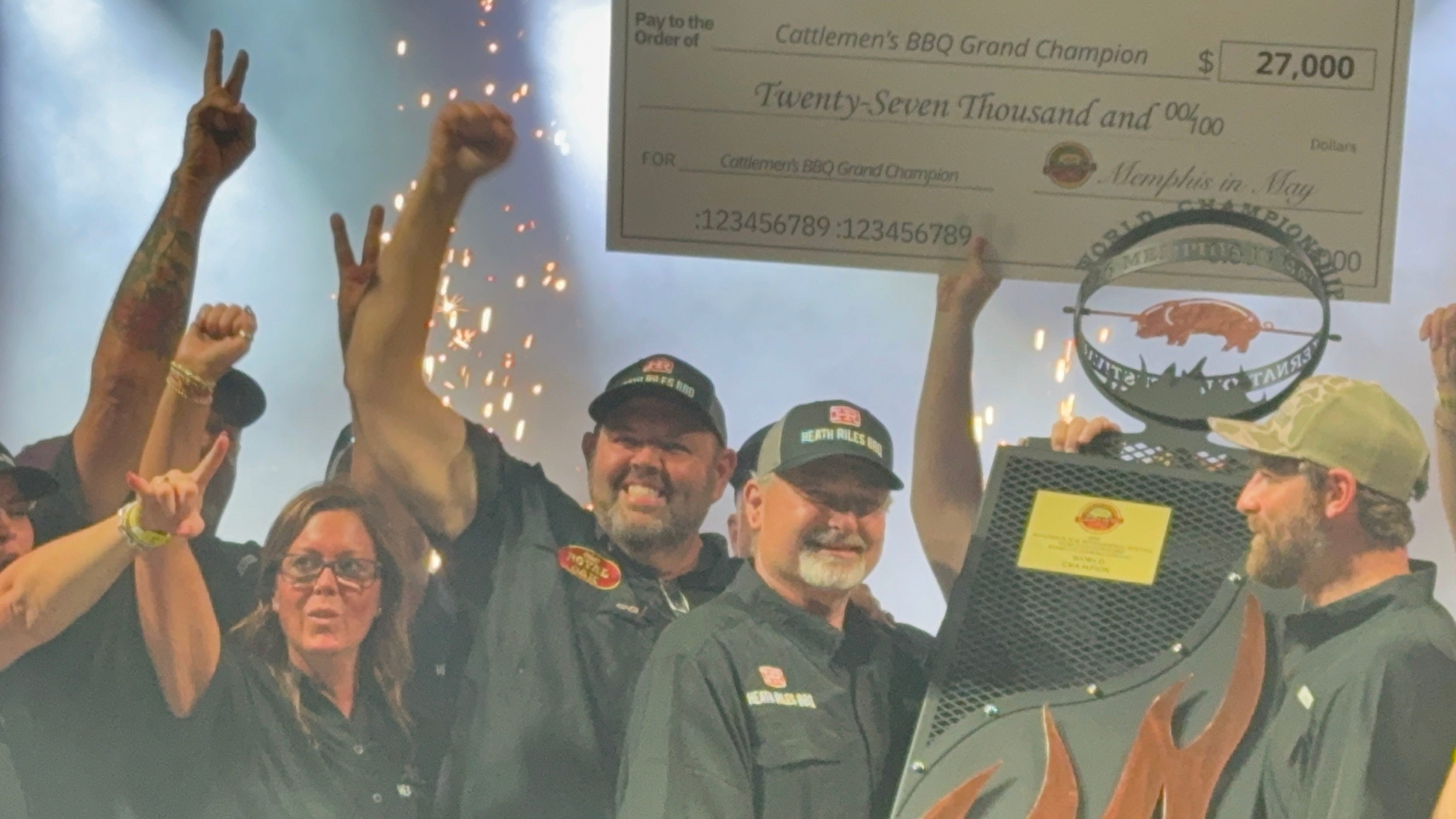
But in a short clip from Shootin’ the Que Podcast, Heath Riles gives the kind of answer that only comes from somebody who has spent enough time in the fire to know better. “I’m not changing from last year,” he says. “Not doing any of that.”
That line is simple, but it says a lot.
Especially when you look at it through the lens of Heath being able to win back-to-back, because back-to-back wins do not happen by accident; they are not built on luck. They are not built on chasing every new trick, every new product, every new theory, or every new opinion that shows up in the barbecue world. They are built on knowing what works, respecting it, and having the discipline not to get cute when the lights come on. That does not mean nothing changes. That is where the wisdom in the clip really starts to show. Heath talks about tenderness. He talks about wind. He talks about the weather, about trimming ribs differently and about timing. In other words, he is not saying the cook is robotic. The foundation is solid enough that he can adjust without losing himself or focus on the cook.
That is a major difference.
A lot of cooks confuse change with improvement. They think that if they are not changing something, they are not getting better. But improvement does not always look like a new recipe. Sometimes improvement looks like making the same recipe more repeatable. Sometimes it looks like shaving five minutes off a process. Sometimes it looks like getting everybody on the team to move with the same rhythm.
Heath says one of the key components is having “our times” right and making sure “everybody’s on the same page.” That is championship language. At the highest level, barbecue is not just meat, smoke, and sauce. It is timing. It is communication. It is knowing who is doing what, when it needs to happen, and why it matters. It is understood that a rib cook is not won in one dramatic moment. It is won in a hundred small moments where nobody panics, nobody guesses, and nobody decides to freestyle when the plan is already working.
